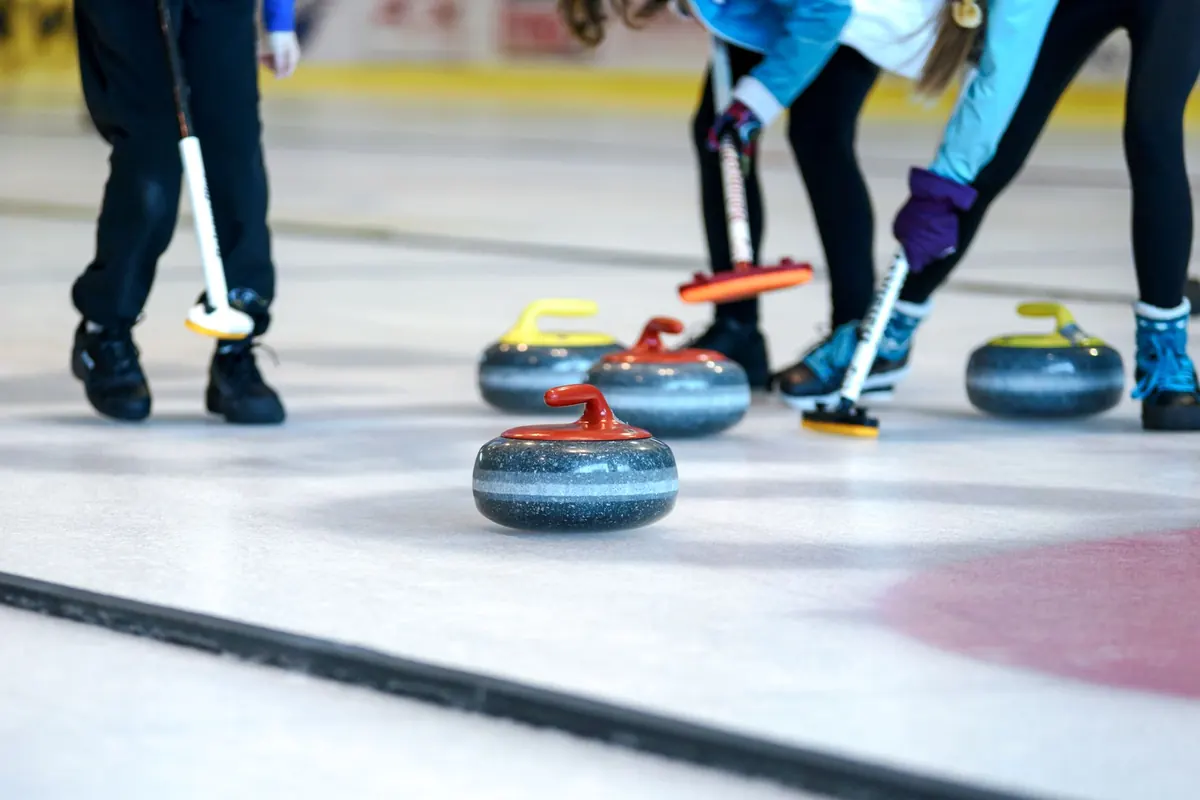
Watch a skip during the warmup and you will notice they spend more time looking at the ice than at the scoreboard. They are reading the shine on the surface, the way the pebble is standing up, and where the first few practice stones are finishing. By the time the first end starts, they already have a working theory: heavy or light, swinging or holding.
That reading matters because curling is played on a surface that changes underneath you. A sheet that felt quick and straight at nine in the morning can be slow and grippy by the evening draw, and a Tuesday league game is not the same ice as the last end of a weekend bonspiel. Nobody beats that. Good teams simply notice it sooner, and adjust before the scoreboard tells them.
Start With a Look, Before You Throw a Stone
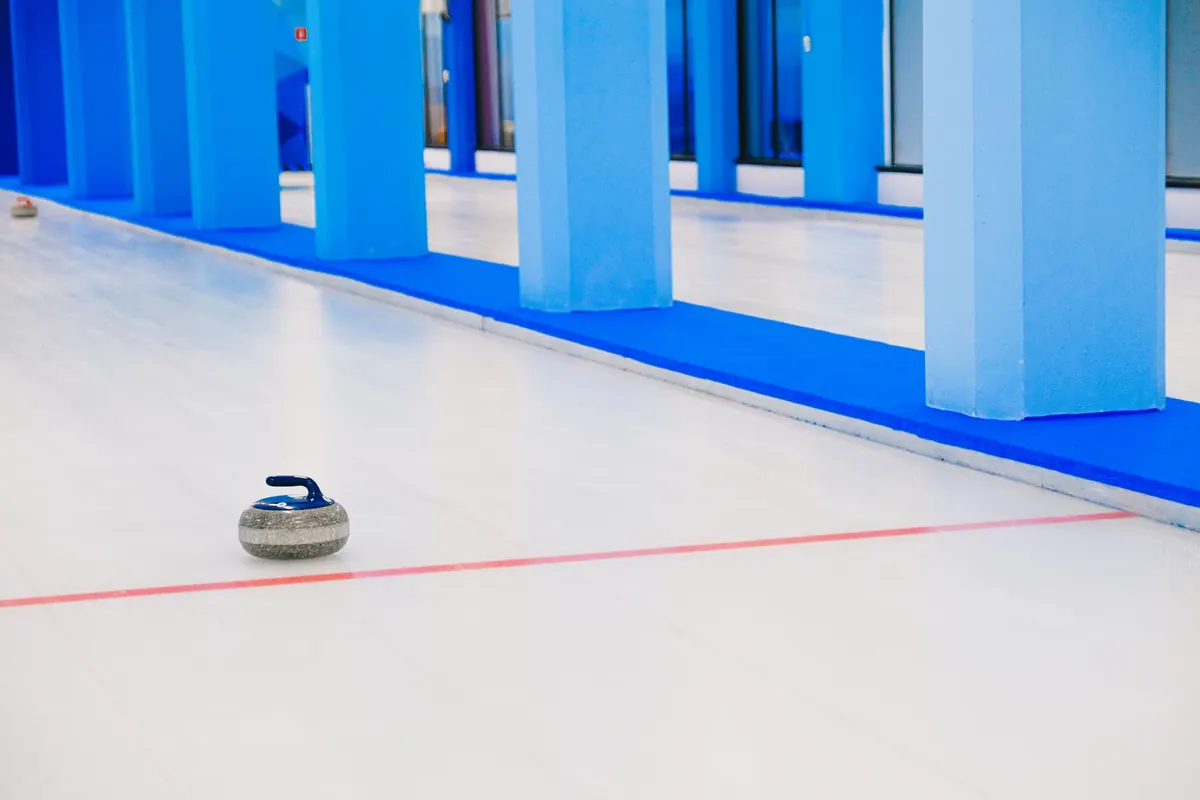
Ice tells you things before your first delivery, if you give it thirty seconds. Walk to the far end if you can, or at least stand at the hack and look down the sheet at a low angle. From there you can see whether the pebble is bright and even or dull and patchy, and where the polished strips have developed.
- Shine and texture. A fresh surface catches light in small points. That is pebble standing up. A flat, grey, glassy look suggests worn pebble, frost, or both.
- Frost. White patches near doors, vents or the player walkway mean cold, damp air meeting the ice. Those areas usually play slower and take more curl.
- Traffic lines. Two glossier bands running the length of the sheet show where stones travel most. They are faster and straighter than the untouched ice outside them.
- Fall. Check whether the sheet looks level. Many rinks are not perfect, and a slight tilt makes one side faster or drags stones toward a hand.
- The neighbouring sheet. If your club runs several sheets from the same plant, they tend to behave alike. Ask someone who has already played.
Temperature: The Quiet Variable
Ice temperature sets the baseline. Curling ice is kept only a little below freezing, and small changes make a real difference. Colder ice is harder, the pebble is more brittle, and the running band of the stone sits deeper and grinds a little more. The result is slower stones and more curl.
Warmer ice behaves the other way. The pebble softens, the stone rides higher on it, and the rock glides: more speed, less curl, and less margin for a sloppy weight. On warm ice a draw that is a foot heavy can slide through the house. On cold ice the same stone might stop at the top of the four-foot.
Air does much of this work. A rink fills with people, the air warms, moisture rises, and the ice starts to feel quicker and straighter than it did during the first draw of the morning. Blasts of cold air from an open loading door do the opposite, and they leave a slow, curling patch that lasts for several ends. If the building has been warm all week, expect faster, straighter ice than you saw during a cold snap in January.
Pebble: The Half-Millimetre That Decides Everything
Pebble is the tiny frozen spray applied to the ice before play. It stands less than half a millimetre high, but it is what the stone actually runs on, and its size and freshness govern both speed and curl.
Heavy pebble — larger droplets, freshly applied — gives the stone more to climb over. It plays slower and takes more curl, and it feels a bit like driving on gravel: the stone finds grip. Light pebble, or pebble worn down by an hour of stones and brushes, plays faster and straighter. The rock skims, and it holds its line.
Pebble changes during the game
The pebble you practise on is not the pebble you play the eighth end on. Every stone shaves a little away, sweepers polish it flat, and the traffic areas lose it first. Expect the opening ends to be the slowest and the most swinging, and the closing ends to be quicker and straighter, especially down the middle of the sheet.
You can hear it, too. A stone rumbling loudly down the ice is running on coarse, keen pebble. A quiet hiss underneath means smooth ice.
Wear, Fall and Drift
Every sheet has geography. The centre gets polished by stones thrown to the button and by brushes working the same line. The delivery path from each hack develops a glossier groove. Ice outside the traffic, near the sideboards, keeps its pebble longer and plays slower and swingier. If you are throwing a come-around from the edge of the sheet, do not assume it will behave like the draw you practised down the middle.
Fall is the subtle tilt that most club sheets have somewhere. Put two draws down during practice, one to each side of the centre line, and watch whether one travels farther or whether the stones drift. If one side is consistently quicker, your line on that side needs to be tighter and your weight a touch lighter.
Then there are the local problems: sun through high windows warming one corner, a cold draught from a service door, a patch of frost where condensation drips. These create small but repeatable differences. The skip who remembers that the left side of the house runs heavy after the Zamboni comes out has an advantage that has nothing to do with talent.
Two identical stones, thrown identically ten minutes apart, do not travel the same distance. That is not a flaw in your delivery. It is the ice moving under you.
Turning What You See Into Weight and Line
Reading ice is only useful if it changes what you throw. Two habits cover most situations.
When the ice is slow and swinging, use more ice and throw more weight. Send the stone further outside the broom, let it come, and be honest about the weight. The temptation on heavy ice is to baby a draw, and a light stone on slow ice will neither reach nor curl — the worst of both worlds. Trust the extra foot of weight.
When the ice is fast and holding, tighten your line and take something off. Aim closer to the broom than the practice stones suggested, and treat every extra foot of weight as a risk. On quick ice the stone keeps going, and a gentle draw that finishes top twelve is worth more than a perfect-looking delivery that slides through the back.
A routine for the first two ends:
- Throw two draws in practice, one each way, and note which one needed more weight.
- Send one guard-weight stone up the middle and watch how much it curls late.
- Watch the first two stones from the opposing team before your own first end. Their misses tell you as much as their makes.
- Recheck at the third end rather than the first. That
Photo: SHVETS production / Pexels